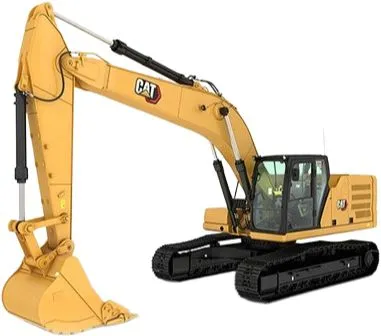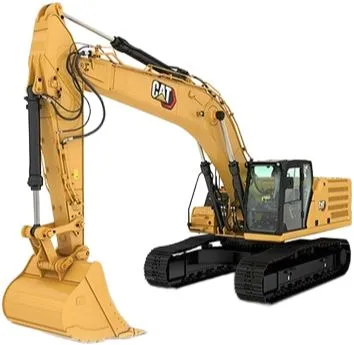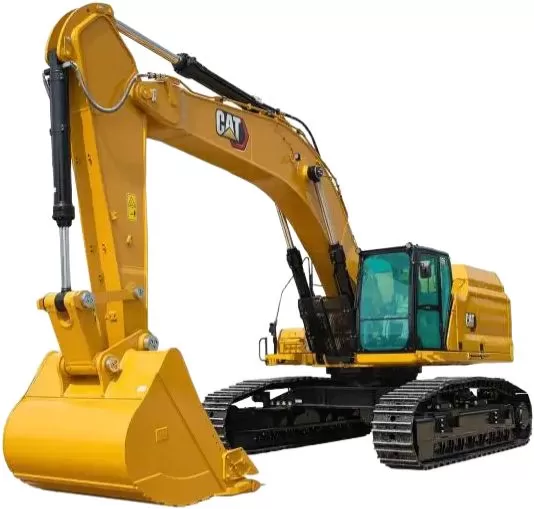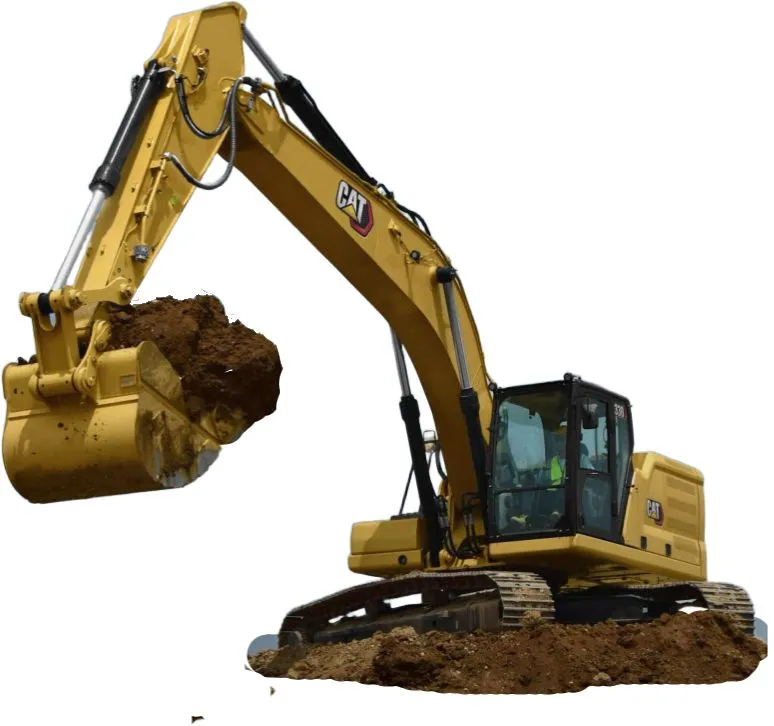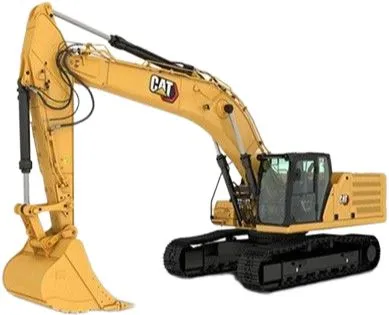
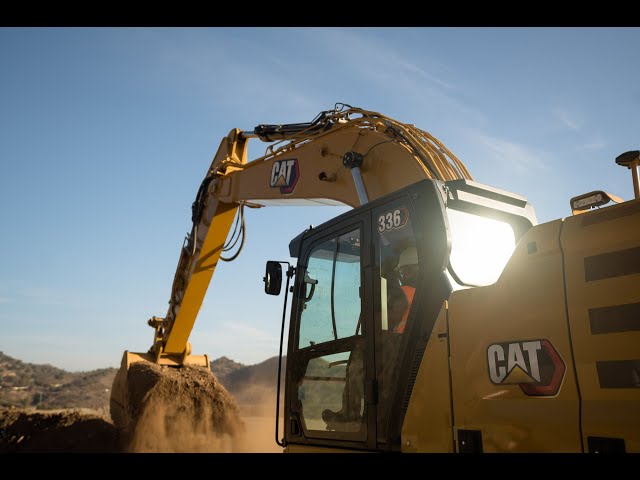
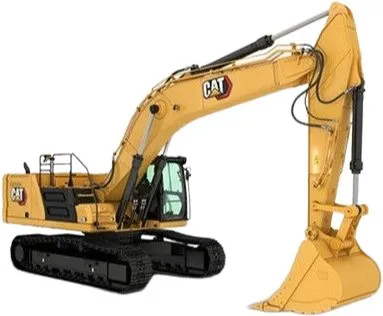
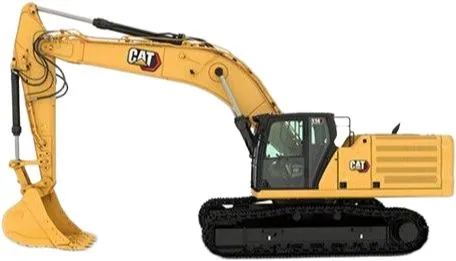
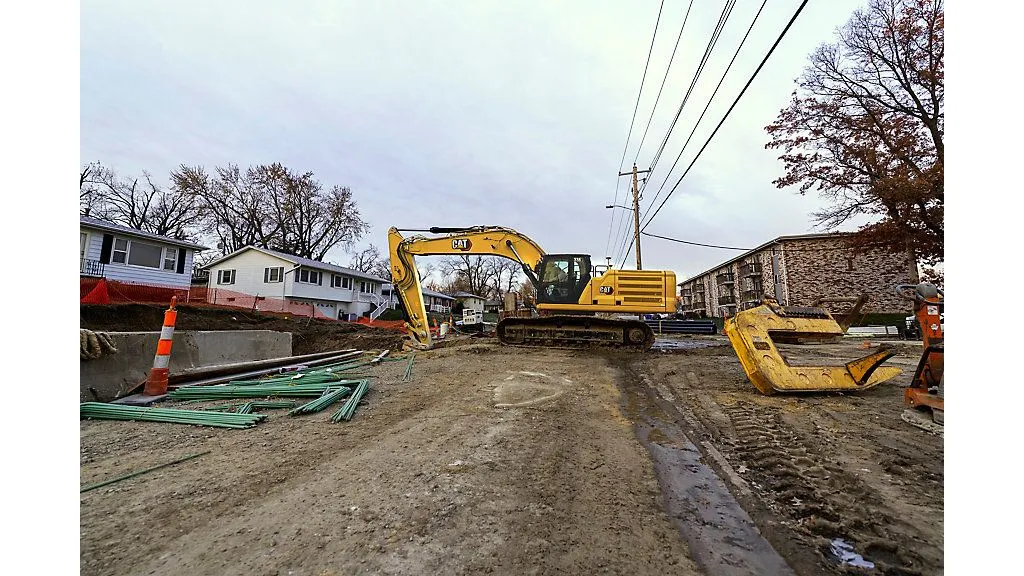
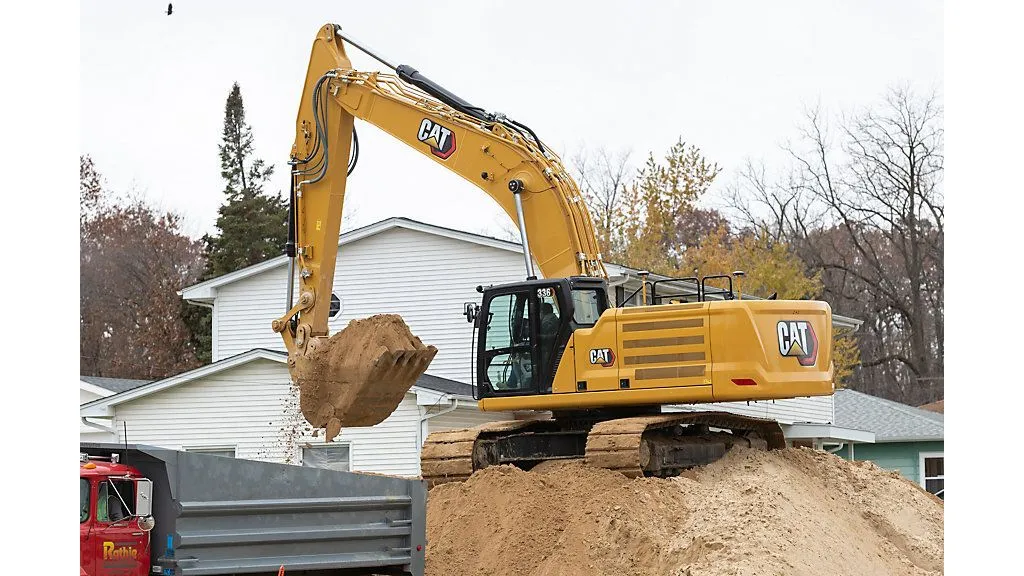
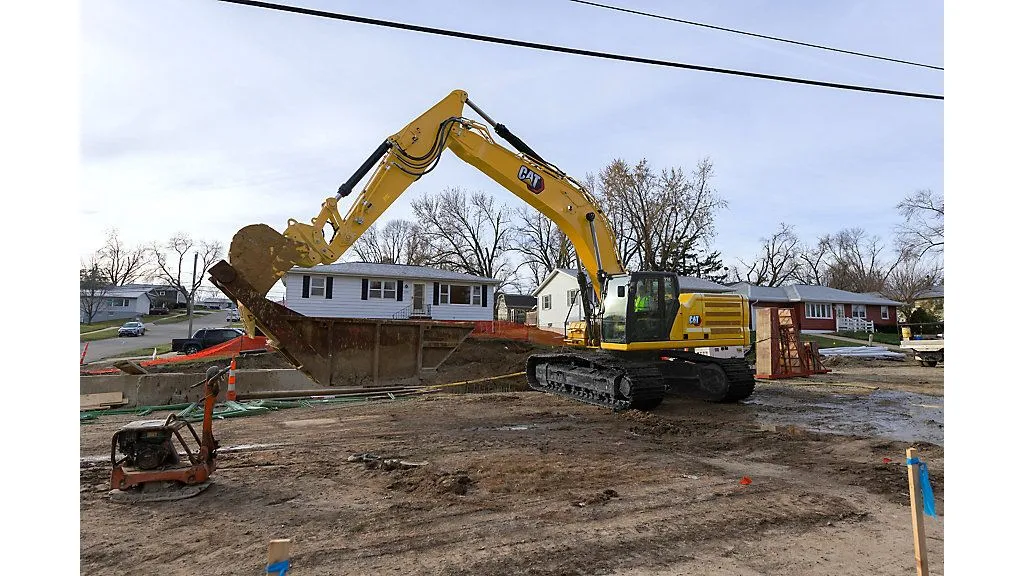
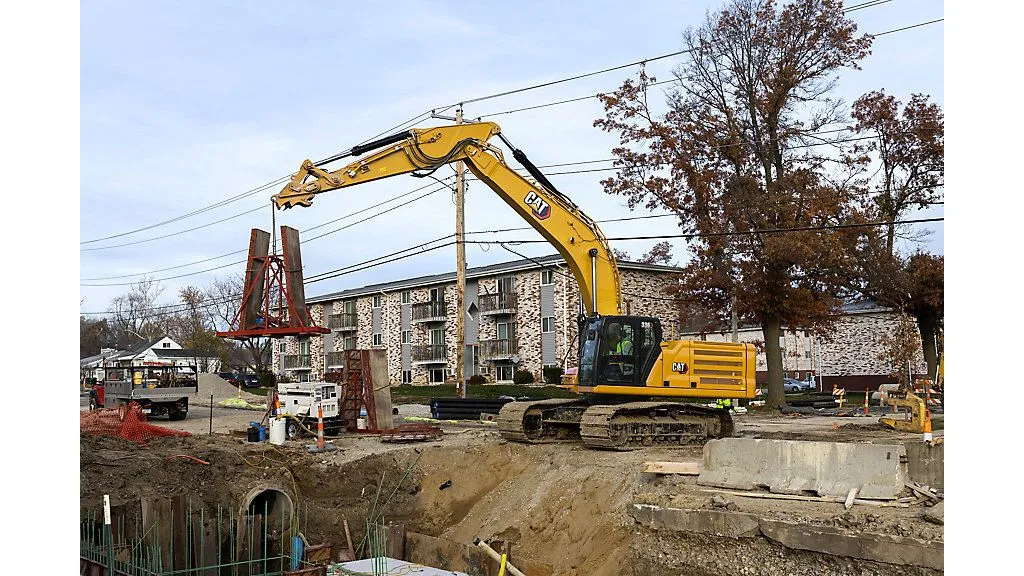


In the landscape of modern heavy construction, the Cat 333 serves as the primary mover for projects that require a relentless balance of production volume and operational precision. This 36 ton hydraulic excavator is engineered specifically for high-intensity duty cycles where bulk excavation and rapid truck loading are the metrics of success. By integrating the Cat C7.1 engine with an advanced electro-hydraulic system, the 336 offers a stable platform that generates 225 kW (302 hp) of gross power, ensuring that even the most difficult geological formations can be penetrated with the necessary breakout force. For contractors operating under the China Non-Road Stage IV emission standard, this machine provides a transition to higher environmental compliance without compromising the raw mechanical performance required for deep trenching and rock handling.
The core advantage of the Cat 336 lies in its ability to function as a high production excavator across diverse site profiles, from urban infrastructure projects to large-scale quarry operations. The hydraulic system, capable of delivering a maximum implement flow of 560 L/min through a dual-pump arrangement, provides the responsiveness needed for synchronized boom, stick, and bucket movements. This fluid coordination reduces the idle time between digging and dumping, directly accelerating cycle times. When paired with the 2.12 m³ extreme-duty bucket and the 143 kN·m maximum swing torque, the 336 excels in bulk material movement, allowing for more tons to be moved per shift while maintaining the structural stability provided by its long, wide undercarriage.
Stability is the foundation of the 336's high-volume capacity. Caterpillar has moved beyond standard chassis designs by equipping this machine with a 2740 mm track gauge and a 6.8 mt counterweight, creating a heavy-duty anchor for the 6.5 m reach boom. This architectural choice allows for a maximum digging depth of 7560 mm and a ground-level reach of 11110 mm, reach figures that are critical for complex drainage systems and foundation work. The reinforced recoil springs, grease-sealed track links, and heavy-duty final drives are all standard inclusions designed to handle the 302.5 kN maximum drawbar pull. This structural resilience ensures that the machine remains a durable asset even in the most abrasive environments where ground pressure and mechanical stress are continuous.
Operational economy is redefined in the 336, positioning it as a fuel efficient excavator that adapts its energy profile to real-time workloads. The machine features three selectable power modes—Power, Smart, and Eco—allowing managers to dictate the machine's consumption based on the material density and target productivity. The "Smart Mode" is particularly valuable as it utilizes on-board sensors to automatically match engine speed and hydraulic output to the digging resistance. During lighter tasks, the system dials back the power to conserve fuel, yet instantly engages the full potential of the C7.1 engine when high penetration or heavy lifting is required. This intelligent modulation ensures that the 336 provides the best possible material-moved-to-fuel-consumed ratio on the jobsite.
The interior of the Cat 336 cab is designed to sustain operator focus through ergonomic refinement and environmental control. Recognizing that physical fatigue leads to decreased site efficiency, Caterpillar has isolated the cab with an ISO-certified ROPS structure and high-performance noise-damping materials. The air-suspension seat and automatic climate control ensure the operator remains comfortable in extreme temperatures, while the high-resolution touchscreen monitor provides an intuitive interface for all machine diagnostic and configuration settings. By centralizing the controls and providing an Operator ID system that stores individual joystick preferences and power modes, the 336 ensures that the machine is always optimized for the specific operator behind the joysticks, further enhancing precision in delicate grading or close-proximity work.
Maintenance logic in the 336 focuses on maximizing "dirt time" and minimizing "bay time." The machine introduces a significant reduction in service complexity by synchronizing the engine oil and fuel filter maintenance cycles to a 1000-hour interval. This synchronization, combined with centrally located filters and ground-level access to all major grease points and drains, allows for faster pre-shift inspections and periodic servicing. The advanced air filter and high-dirt-capacity hydraulic filter further extend the machine's durability in dusty conditions. By reducing the number of service interruptions and the overall volume of filters consumed over the machine's life, the 336 provides a lower total cost of ownership for fleet managers who demand high availability.
Site safety is a proactive component of the 336's configuration. The machine is built with narrow cab pillars and expansive glass surfaces to provide a broad field of vision, supplemented by a standard rear-view camera displayed on the high-resolution monitor. Travel direction indicators assist the operator in orienting the machine before engaging the drive motors, a critical feature on crowded or complex jobsites. Non-slip platforms and multiple handrails ensure secure movement around the machine during maintenance. The keyless push-button start with Operator ID codes also adds a security layer, preventing unauthorized access and ensuring that only qualified personnel are operating the heavy duty excavator, which is essential for risk management in professional contracting.
Connectivity via Cat Link technology allows the 336 to be managed as a data-driven asset rather than a silent mechanical tool. Product Link automatically collects vital statistics—location, fuel burn, idle time, and health codes—which are then transmitted to VisionLink for analysis. Fleet managers can use this data to identify bottlenecks in the loading cycle, track fuel consumption trends, and receive early warnings for diagnostic issues. Remote services, including Remote Troubleshoot and Remote Flash, allow dealers to perform diagnostic tests and software updates wirelessly, often eliminating the need for a technician to travel to the site. This level of digital integration ensures that the 336 remains at peak operational readiness throughout its service life.
Versatility in the 336 is supported by a comprehensive suite of Cat attachments, allowing it to transition from a primary earthmover to a specialized demolition or utility tool in minutes. The machine can be equipped with heavy-duty buckets, rippers, hydraulic hammers, and multi-processors, all of which are optimized to match the 336’s hydraulic flow and pressure. The hydraulic hammer auto-stop function is a standard technical safeguard that prevents the excessive wear caused by blank firing, automatically shutting down the attachment after 30 seconds of unproductive cycling. Cat quick couplers further increase site efficiency by allowing for tool changes without the need for manual pin extraction, enabling the 336 to maintain a high utilization rate across multiple phases of a project.
Finally, the Cat 336's engineering reflects a commitment to project-level performance where durability meets modern efficiency. Its 225 kW engine, 143 kN·m swing torque, and 209 kN bucket digging force establish it as a high production excavator capable of anchoring any heavy-duty fleet. The ability to use renewable fuels like HVO and B20 biodiesel further enhances its versatility in regions with strict sustainability mandates. By combining structural mass with digital intelligence and simplified maintenance, the Cat 336 ensures that contractors can move more material, consume less fuel, and manage their equipment with the level of professional insight required in today’s competitive global market.